

Returning home after a hospital stay in Liverpool requires careful planning to ensure a smooth transition. Having the right support system and assistive technology in place makes the move home safer. This guide explores the essential equipment needed to transform your residence into a safe recovery zone. By preparing early, you can focus on your health while maintaining your independence in a familiar environment.
Key Takeaways
- Have walking frames and bed and bathroom equipment delivered and set up before you come home from hospital.
- Shower chairs, grab rails, raised toilet seats and reachers reduce the risk of falls while you recover.
- Pressure care cushions and mattresses protect the skin if you spend long periods resting.
At Allcare Warehouse, we understand that the period immediately following a hospital discharge is critical for your long term health. Our team supplies the mobility aids and safety equipment to support your recovery. We take the time to understand each person’s needs to find the right products.
Mobility Aids for Initial Post-Operative Support
For many people leaving hospital, regaining the ability to walk safely is the first major milestone. Walking frames and rollators provide the necessary stability to move around the house without the risk of a stumble. These devices offer a wider base of support, which is crucial when your balance is still affected by medication or surgery. They allow you to move at your own pace while building up your physical strength.
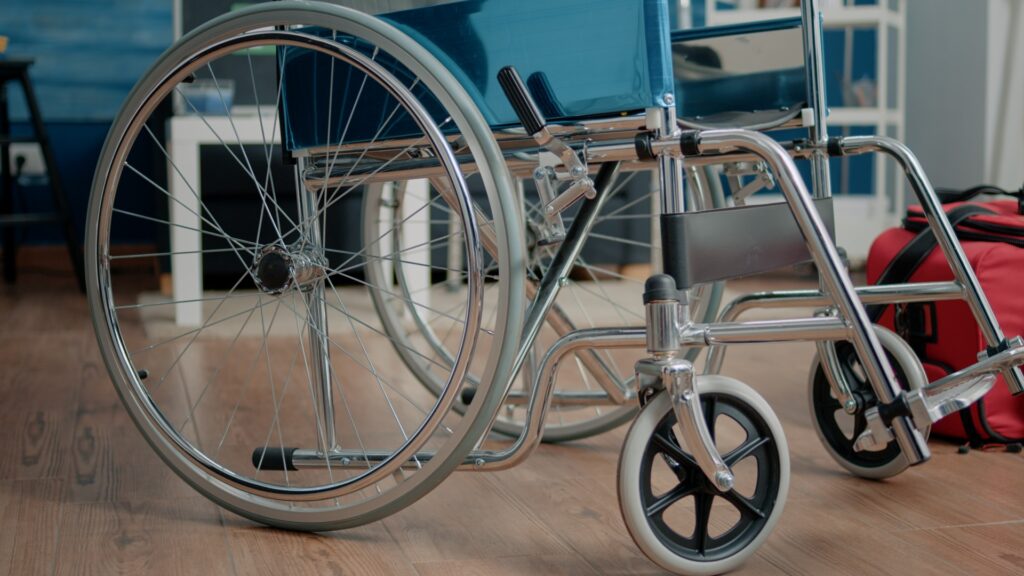
Using a lightweight wheelchair can also be beneficial during the first few weeks when long distances are too tiring. These chairs are easy for family members to manoeuvre through hallways or into a car for follow up appointments. Having a mobility solution that matches your current energy levels ensures you do not overexert yourself. It is important to have these items delivered and ready before you arrive home from the ward.
Tip: Choose a walker with a built in seat so you can take rest breaks during your recovery exercises.
Bedroom Safety and Specialised Bed Equipment
A safe sleeping environment is vital for a patient recovering from a significant medical event or surgery. Electric adjustable beds allow you to find the perfect angle for rest while reducing the strain on your core muscles. This equipment makes it much easier to sit up or get out of bed without assistance from a carer. Being able to raise your legs or head can also make resting more comfortable.
Bed rails and support sticks provide a sturdy point of contact for when you are transitioning from a lying to a standing position. These simple additions can help reduce the risk of accidental falls during late night trips to the bathroom when you might be feeling disoriented. Ensuring your bed is at the correct height is a key factor in maintaining your safety during the early stages of recovery. A well organised bedroom reduces the physical effort required for basic daily movements.
Reminder: Clear all loose rugs and clutter from the pathway between your bed and the door to prevent trips.
Bathroom Modifications for Slip Prevention
The bathroom is often the most hazardous room in the home for someone who has just been discharged. Shower chairs and bath benches allow you to maintain your hygiene routine while sitting securely, which reduces the risk of fainting or slipping. These products are designed to be water resistant and provide a stable surface even when soap and moisture are present. For those with limited standing tolerance, a high quality chair is a non negotiable safety item.
Installing temporary grab rails can also offer extra security near the toilet or inside the shower cubicle. These aids give you something solid to hold onto when navigating wet tiles or stepping over the edge of a bath. Using a raised toilet seat can further assist by reducing the distance you need to lower yourself down. These small modifications play a huge role in preserving your privacy and independence while you heal.
Note: Non slip mats should be placed both inside and outside the shower area for maximum stability.
Preparing for a Hospital Discharge?
Call the Allcare Warehouse team on 1300 767 777 to ask about mobility, bedroom and bathroom equipment for your return home.
Daily Living Aids for Household Independence
Once you are home, simple tasks like making a cup of tea or reaching for a book can feel more difficult. Reaching tools and long handled grabbers are perfect for picking up items from the floor or high shelves without bending over. These aids are particularly helpful if you have post surgical restrictions on your range of motion. They allow you to manage your environment without needing to ask for help with every small task.
In the kitchen, specialised cutlery and kettle tippers make preparing simple meals much safer for those with weak grips. Using a perching stool allows you to sit while performing tasks at the counter, conserving your energy for physical therapy. These functional tools are designed to integrate seamlessly into your daily routine while providing maximum support. Maintaining your ability to perform basic chores can significantly boost your mental health during recovery.
Checklist: Keep a phone and your medication within easy reach of your favourite chair at all times.
Pressure Care for Extended Periods of Rest
Patients who are required to spend more time in bed or sitting down must be mindful of their skin integrity. Pressure mattresses and cushions are designed to redistribute your body weight and help reduce the risk of painful sores. These products use specialised foam or air cells to ensure that no single area of your body takes too much pressure. This is especially important for seniors or those with limited mobility who cannot reposition themselves easily.
A high quality pressure care cushion can be used on your favourite lounge chair or in a wheelchair to provide continuous protection. Keeping your skin healthy is a vital part of avoiding secondary complications that could lead back to the hospital. Comfort is just as important as safety when you are spending many hours resting.
Reminder: Even with a specialised mattress, healthdirect suggests trying to change position every 30 minutes.
Navigating NDIS Support for Discharge Equipment
If you are an NDIS participant, your plan may cover assistive technology you need after a hospital stay. Working with an occupational therapist is the best way to determine which items are “reasonable and necessary” for your specific recovery.
Having the right documentation from your hospital team helps your funding request. This financial support is designed to help you live a more autonomous and socially active life.
Tip: Ask your hospital social worker for a copy of your discharge plan to share with your equipment supplier.
Final Thoughts
Planning your discharge from hospital involves more than just medical care; it requires a functional home environment. The right equipment minimises the risk of falls and overexertion during the most vulnerable weeks of healing. Every recovery journey is unique, which is why choosing personalised tools is so important for success. We believe that everyone deserves a stress free transition back to their own community and family life. Safety and comfort should be the foundation of your recovery plan as you regain your strength.
Frequently Asked Questions
What equipment do I need before leaving hospital?
It depends on your recovery, but common items include a walking frame or rollator, a shower chair, a raised toilet seat and bed rails. Your hospital team can advise what you need.
When should equipment be delivered?
Ideally before you arrive home, so everything is set up and ready on the day you leave hospital.
Can the NDIS fund discharge equipment?
If you are an NDIS participant, your plan may cover assistive technology that is reasonable and necessary for your disability. An occupational therapist can help work out what you need.
Visit Allcare Warehouse Today
Visit our Liverpool showroom or call 1300 767 777 to get your home ready for a safe return from hospital.
This guide is general information, not medical advice. Read our disclaimer.