

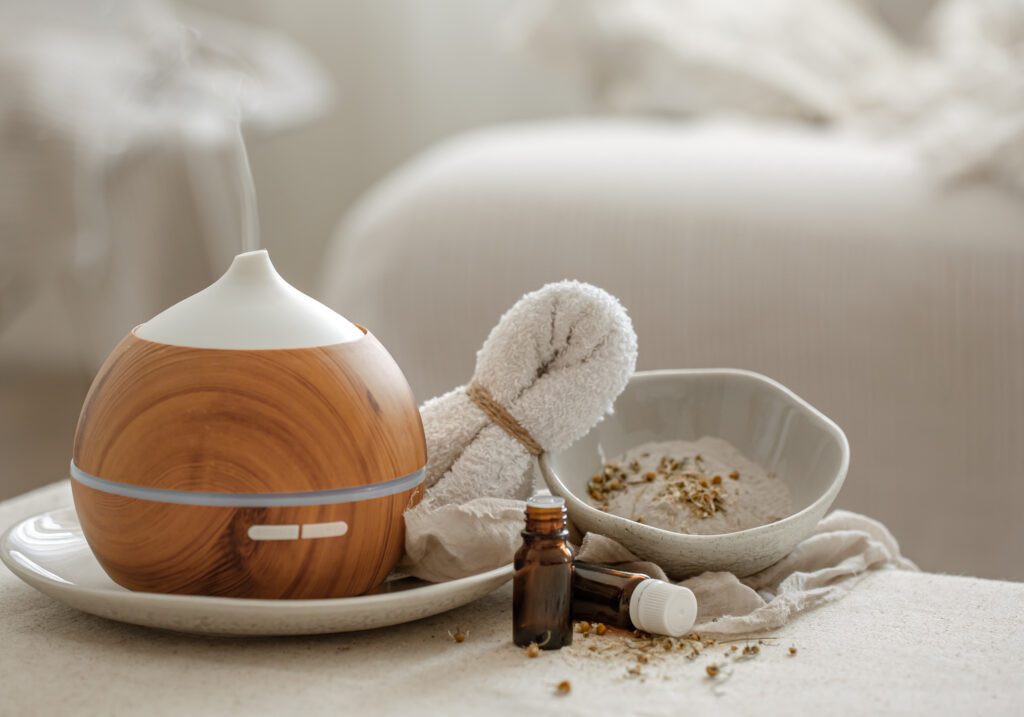
Aromatherapy has been practised by humans for many years. Ancient cultures in India, Egypt, and other places used aromatic plant components as resins, balms, and oils. These organic compounds were put to use for medical and religious purposes. They were supposed to provide both physical and psychological benefits.
René-Maurice Gattefossé, a French perfumer and chemist, was the first person to coin the term “aromatherapy” in a book published in 1937.
Let’s dive deep into what aromatherapy is and the benefits associated with it.
What is Aromatherapy
Aromatherapy is considered both an art and a science.
Aromatherapy is a holistic practice that uses natural plant extracts for a sense of well-being. It’s sometimes referred to as aromatherapy essential oil treatment. The oils are usually breathed in or used in a massage.
Aromatherapy activates the smell receptors in your nose, which convey messages straight to your limbic system in the brain. The limbic system influences emotions, memory, learning, appetite, and sexual desire.
Benefits of Aromatherapy
Relaxation
Many people find an aromatherapy massage relaxing. Given the amount of strain that each individual faces on a daily basis, stress becomes unavoidable.
If you have high blood pressure or another health condition, talk to your GP before using essential oils.
Refreshing scents
Do you frequently succumb to the awful 3 p.m. afternoon slump? You’ve run out of coffee and are starting to lose steam. Rather than reaching for your fourth cup, why not try a caffeine-free alternative?
Many people find citrus scents, such as lemon, refreshing.
Mood and wellbeing
Some people include a favourite scent in a calming routine. Aromatherapy is not a treatment for depression, so if low mood persists or worsens, talk to your GP or a mental health professional.
Popular essential oils
Oregano, frankincense, lemon, peppermint, cinnamon and eucalyptus are among the essential oils people often choose. Essential oils are not a substitute for medical treatment, so see a doctor about any infection or illness.
Comfort and massage
Some people use essential oils in a massage for comfort. For ongoing pain, talk to your GP or another health professional. Clary sage, Lavender, juniper, chamomile, eucalyptus, rosemary, and peppermint essential oils are among the best essential oils for professional and personal use.
Scents at bedtime
Depriving ourselves of sleep can worsen or cause a wide range of medical disorders, as well as feeling unproductive and drained of energy. Some people find a familiar, calming scent a pleasant part of a bedtime routine. If poor sleep continues, talk to your GP. Lavender, chamomile, benzoin, jasmine, neroli, rose, sweet marjoram and ylang-ylang are scents people often choose for a bedtime routine.
Encourages Deep Breathing
When was the last time you took a deep breath that completely filled your lungs, made you feel at peace, and let all the stress off of your shoulders? If you can’t remember, aromatherapy may be just what you need to remind you to take deep breaths. When you inhale the perfume, you start the process of deeper breathing.
Citrus and spice scents
Lemon, orange, ginger and fennel are popular scents, but they are not a treatment for digestive problems. See your GP about ongoing constipation, indigestion or bloating.
You can also read our other blogs:
- 6 Common Types of Diagnostic Medical Devices
- Mobility Aids and Its Types
- Common Mistakes Made When Using Pressure Cushions
This guide is general information, not medical advice. Read our disclaimer.