
Choosing between NDIS home modifications and assistive equipment is a vital decision for participants in Liverpool who want to increase their independence. Structural changes offer permanent solutions, while specialised equipment provides immediate flexibility for daily tasks. Understanding the benefits of each category helps you make the most of your funding. This guide helps you navigate these choices for a safer, more accessible home environment.
Key Takeaways
- Assistive equipment is portable and quick to put in place; home modifications are permanent changes to the building.
- Renters often find portable aids such as threshold ramps and freestanding grab rails the most practical choice.
- Home modifications usually need an occupational therapist’s report, builder quotes and NDIS approval.
At Allcare Warehouse, we help you select the right assistive technology for your unique needs. As a registered NDIS provider, we supply equipment that helps you live safely without always needing major construction. We focus on delivering high quality solutions that align with your current health goals and lifestyle.
Defining NDIS Assistive Technology Options
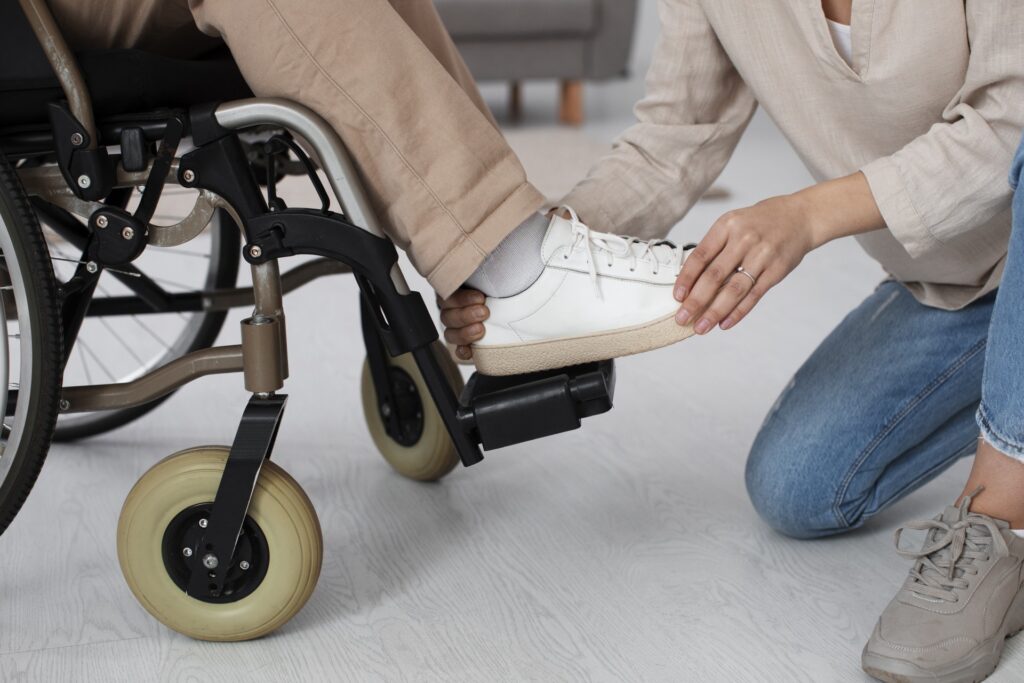
Assistive technology refers to any device or system that allows you to perform tasks you would otherwise find difficult. This category includes everything from mobility scooters and manual wheelchairs to smaller kitchen gadgets like easy grip cutlery. For many people, these tools are the first step toward greater autonomy because they require no permanent changes to the house. You can take these items with you if you move, making them a highly versatile choice. Most low cost or mid cost items can be purchased quickly once they are included in your budget. Having the right tools at your fingertips can significantly improve your confidence and safety during everyday routines.
List of Equipment: Walking aids, pressure mattresses, shower chairs, and reaching tools.
Exploring Structural Home Modifications
Home modifications are physical changes made to your residence to help you move around safely and independently. These projects often involve installing permanent accessible bathroom features like walk in showers or widening doorways for better wheelchair access. For participants with high support needs, these structural adjustments are often the most effective way to remove barriers in the home. Unlike portable equipment, modifications are built into the fabric of the building and stay with the property. They are typically categorised as mid or high cost supports that require professional quotes and NDIS approval. While the process takes longer, the result is a custom environment tailored specifically to your long term physical requirements.
Note: Home modifications are generally recommended when assistive equipment alone cannot provide a safe or functional solution for the participant.
Assessing Rental Properties and Portability
If you are renting, assistive equipment is often the most practical choice for your NDIS plan. Landlords are often more comfortable with portable aids like threshold ramps or freestanding grab rails that do not damage the walls. These items can be easily removed or relocated if your living situation changes in the future. Modifications often require extensive permission and might need to be reversed when your lease ends, which can be costly. Choosing high quality portable technology ensures you stay supported regardless of where you choose to live. This flexibility is a major advantage for participants who value the ability to adapt their environment quickly.
Tip: Always discuss portable alternatives with your therapist before committing to permanent structural changes in a rental property.
Weighing Up Your Equipment Options?
Call the Allcare Warehouse team on 1300 767 777 to ask about portable equipment for your home.
The Approval Process and Funding Levels
The NDIS categorises both equipment and modifications based on their cost and the level of risk involved. Low-cost assistive technology, generally under $1,500, can be bought without advice from an assistive technology advisor, according to the NDIS. In contrast, home modifications almost always require a detailed report from an Occupational Therapist and multiple builder quotes. The NDIS considers whether a support is value for money when deciding what to fund. Choosing equipment can often get you the support you need months faster than waiting for a construction project to begin. Understanding these timelines is essential for managing your recovery or daily care needs effectively.
Checklist: Consult an OT, obtain official quotes, and check your current NDIS budget categories before making a final decision.
Combining Both for Maximum Independence
In many cases, the best solution for a home is a thoughtful combination of both modifications and equipment. For example, you might install a permanent ramp at your front door while using a rollator to navigate your indoor spaces. This hybrid approach ensures that every aspect of your daily life is covered by the most appropriate technology. Structural changes handle the major environmental barriers, while equipment supports your fine motor skills and personal care. Your NDIS plan is designed to be flexible enough to accommodate various types of supports simultaneously. By looking at your home holistically, you can create a space that truly fosters your long term independence.
Reminder: Your goals should drive the choice between a permanent fix and a portable aid for your home.
Final Thoughts
Deciding between modifications and equipment is a significant step in your NDIS journey. It requires a clear understanding of your long term goals and the current limitations of your living space. For many, the speed and flexibility of assistive technology make it the ideal starting point for home safety. However, permanent changes remain the gold standard for removing structural barriers in owned homes. Taking the time to weigh these options with professional advice ensures you get the best value from your funding.
Frequently Asked Questions
What is the difference between home modifications and assistive equipment?
Home modifications are permanent changes to the building, such as a widened doorway. Assistive equipment is portable and moves with you.
I rent my home. Which option suits me?
Portable equipment is usually the practical choice for renters, because it needs no permanent changes and can move with you. Discuss the options with your therapist first.
Do home modifications need NDIS approval?
Home modifications generally need an occupational therapist’s report, quotes and NDIS approval, so they take longer to arrange than equipment.
Visit Allcare Warehouse Today
Visit our Liverpool showroom or call 1300 767 777 to talk about equipment that suits your home.
This guide is general information, not medical advice. Read our disclaimer.